Suppressor rules changed more in 2026 than in any year since the National Firearms Act passed in 1934. Between a tax cut, a federal court ruling and a major ATF policy change, owning a suppressor is now easier than it has been in nearly a century.
Here’s the quick rundown, and what it means for you.
1. The $200 tax stamp is now $0
As of January 1, 2026, Congress cut the NFA tax on suppressors to $0. The same applies to short-barreled rifles, short-barreled shotguns and “any other weapons.” Machine guns and destructive devices still carry the $200 tax.
At first, nothing else changed: buyers still filed a Form 4, sent fingerprints and waited for approval. Just without the $200.
2. The court case that opened the door
Once the tax hit zero, gun-rights groups argued the NFA’s registration and approval requirements no longer had a legal basis, since they were built on Congress’s power to tax. On August 5, 2026, a federal judge in the Northern District of Texas agreed in Silencer Shop Foundation v. ATF. The ruling protected the plaintiffs and their members, and the government did not appeal.
3. ATF stops enforcing NFA paperwork for suppressors
On October 9, 2026, ATF announced in an open letter that it would no longer enforce, for anyone:
- Form 1 approval (making your own)
- Form 4 approval (buying)
- NFA registration
That covers suppressors, short-barreled rifles and shotguns, and AOWs. In practice, a suppressor now transfers like any other firearm sold by a dealer:
- ATF Form 4473 and a NICS background check
- You must be 21 or older to buy one from a dealer
- No fingerprints, no photos, no months-long wait
What hasn’t changed
- State law still applies. Some states ban suppressors outright, and others still reference NFA registration in their own laws. Check yours before you buy.
- It’s an enforcement policy, not a new law. A future administration could change course, so some owners are choosing to register anyway.
- Form 4 is now optional. ATF still accepts and approves Form 4s if you want your suppressor in the NFA registry.
- Making suppressors to sell still requires a license. Hobby builders have more freedom, but manufacturing for sale still requires the proper federal license.
What this means for shooters
- Faster and cheaper: take your suppressor home after a background check instead of waiting months.
- More freedom to build: hobbyists can make their own without waiting on a Form 1, where state law allows.
- A booming market: expect more designs, more competition and better prices.
- Better shooting: more shooters will use suppressors to protect their hearing and tame recoil.
Final thoughts
2026 marks a turning point for suppressor freedom in America. Whether you’re a hunter, a competitor or a builder, the suppressor world is more open than it has ever been.
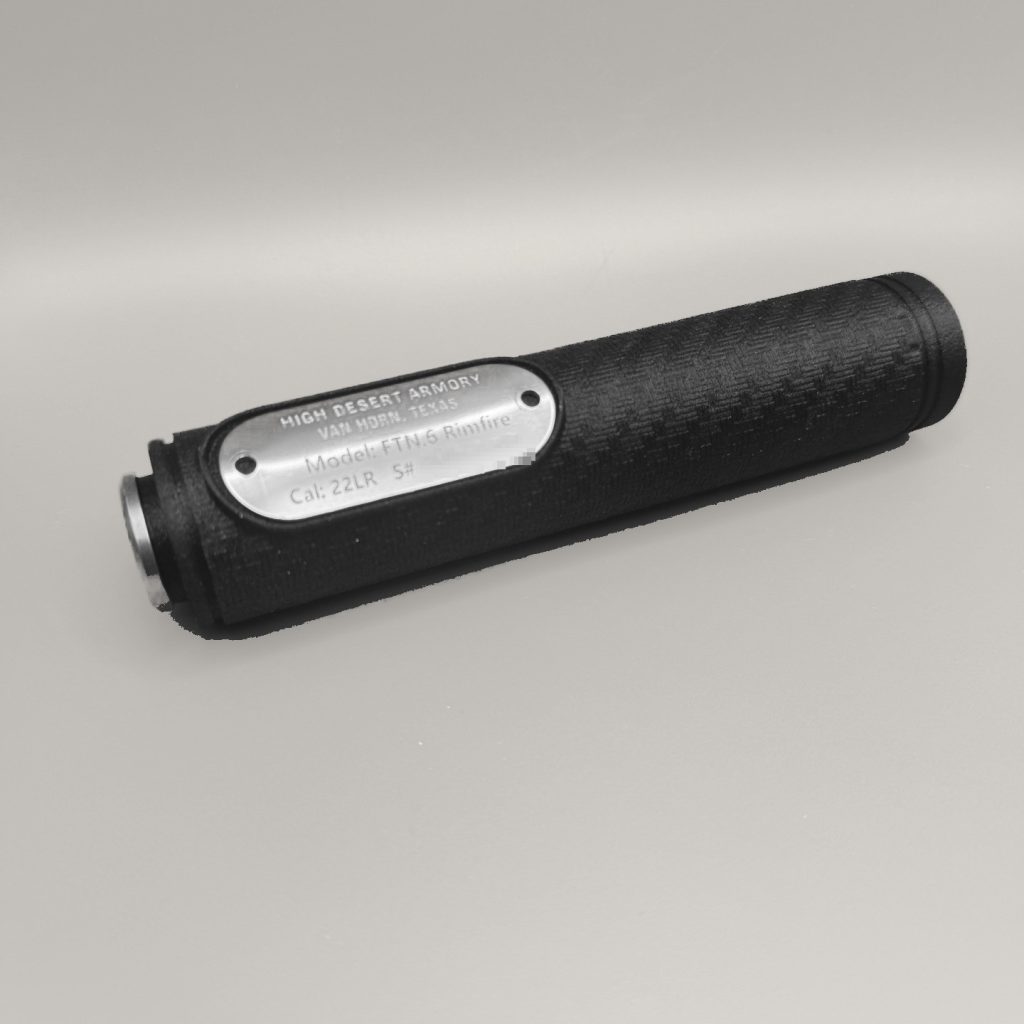
High Desert Armory is here to help you navigate this new era. We make suppressors in-house in Van Horn, Texas, and you can buy on a standard Form 4473 or register on an ATF Form 4 if you prefer. See how suppressor transfers work or check out the FTN.6 Rimfire.
This post is general information, not legal advice. Laws and ATF policy change. Check current federal, state and local law before buying, building or transporting a suppressor.